Air Compressor Filters
Air Filter
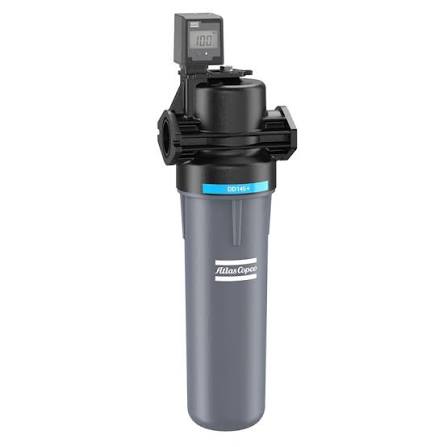

Features
Atlas Copco air compressor filters protect machinery and ensure high-quality, contaminant-free air. They are specifically categorized by their filtration mechanisms—such as pleated media for dry particles and wrapped media or coalescing filters for aerosols and water. These specific inline grades include DD, PD, QD, and UD to target different micron sizes.
The diverse lineup of Atlas Copco line filters and compressor spares features distinct descriptions and functionalities:
- Air Intakes / Suction Filters: Positioned at the compressor inlet, these filters remove dust and solid particulates from the ambient air to protect internal compressor elements.
- Air/Oil Separators: These filters separate the oil mist from the compressed air stream, ensuring a typical oil carryover of 2 ppm to 3 ppm and returning the captured oil to the compressor element.
- DD & DDp+ Filters (Coalescing): General purpose, coarse coalescing and dust filtration designed to remove solid and liquid particles down to 1 micron with an oil carryover of 0.5 mg/m³.
- PD & PDp+ Filters (Coalescing): High-efficiency coalescing filters removing aerosols and particles down to 0.01 micron with an oil carryover of 0.01 mg/m³.
- QD Filters (Activated Carbon): Designed specifically to remove oil vapors and hydrocarbon odors, leaving technically oil-free air (often required for critical applications like food/beverage or pharmaceutical processing).
- DDp / PDp / QD Filters: These serve as dry particulate filters placed downstream.
- UD+ Filters: Patented multi-layer filters that capture both liquid aerosols and solid particles while minimizing pressure drop.
Technology Highlights
Atlas Copco filters use advanced filtration design techniques to maximize operational efficiency and service life:
- Nautilus Technology: Patented wrapped media that provides constant air quality in wet or oil-contaminated environments at the lowest possible pressure drop.
- Cyclone Separation: Uses centrifugal forces to effectively separate liquid water droplets from the primary air flow.

Benefits
Air compressor filters protect your system by removing solid particles, water moisture, and oil aerosols. They ensure smooth operation, extend the lifespan of downstream pneumatic tools, prevent corrosion, and maximize energy efficiency by preventing pressure drops and forcing the motor to work harder.
Key Benefits of Air Compressor Filters
- Equipment Protection: Filters prevent abrasive dirt, dust, and debris from entering critical compressor components (like valves and air ends), reducing wear and tear.
- Moisture and Rust Prevention: By capturing water droplets, filters stop rust and microbiological growth from ruining your storage tanks and connected machinery.
- Oil Vapor Removal: Coalescing and activated carbon filters remove oil aerosols. This is essential in industries like spray painting, food processing, and pharmaceuticals, where oil contamination can ruin the final product.
- Energy Savings: A clean, unobstructed airflow reduces the pressure drop in the system, meaning your compressor motor uses less energy to produce the same output.
- Extended Tool Life: Supplying clean, dry air ensures pneumatic tools (like air ratchets, sanders, and nail guns) function smoothly without seizing or degrading prematurely.
Types of Filters Usually Involved
- Intake/Suction Filters: Placed at the air intake to catch ambient dust and dirt before it enters the system.
- Inline/Particulate Filters: Positioned after the compressor to catch finer particles and separate moisture.
- Oil/Mist Filters: Specifically designed to remove oil carryover in oil-lubricated compressor systems.